Why is it so hard for my child to learn Filipino?
Mik Reyes, Researcher
Since its founding in 2005, parents have asked The Learning Library, "Why is it so hard for my child to learn Filipino?" There are many factors and hence many possible answers to this question.
The difference between then and now
Decades ago, you may have grown up with Filipino soap operas, or shows like Batibot. You might have been a komiks or Original Pilipino Music fan. In everyday life, you had a lot of exposure to the Filipino language.
Children today have much less regular exposure, despite the diversity of Filipino culture that continues to take on different forms. It’s a world of media on demand. Children get to control the shows they watch, the music they listen to, and the books they read -- most of the time, it’s in English.
Exposure is crucial
The Learning Library's Filipino Curriculum Head Niki Calma emphasizes that “exposure to a language is a key factor in making it easier for children to learn.” Students learning a second language should be exposed to it for at least 30% of their waking hours in order to be fluent: engaging activities, learning materials, and conversations are a must. Whenever possible, place children in situations where both thinking and speaking in Filipino are necessary.

The need to start early
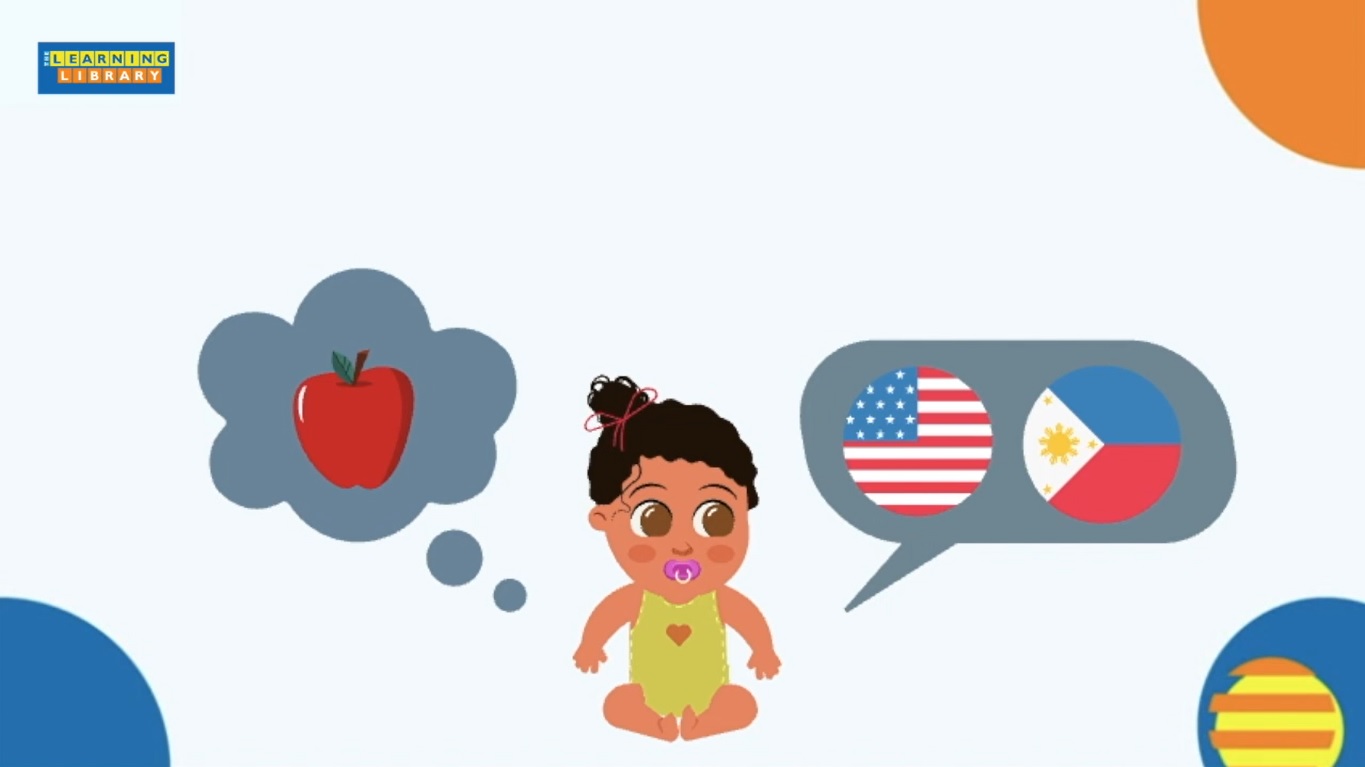
Children who are exposed to a language early on pick it up more easily, and are found to have better pronunciation and retained grammatical skills. Children with Filipino as their first language at home are fluent because they are able to think in the language and therefore have no need to translate.
While an early introduction is crucial, it is never too late for any child to learn Filipino as a second language. An older child may have initial difficulty picking up the second language, they can grasp vocabulary and grammar more easily because of their more developed cognitive skills.
Show them why
The Learning Library’s President, Vanessa Bicomong, considers attitude as the main issue of older children. “Some students are not motivated to learn simply because they do not see its relevance. You have expats who have lived in the Philippines many years without learning Filipino because most people can communicate in everyday English. Children find that they need to speak in Filipino only occasionally. So why spend so many hours learning it in school?”
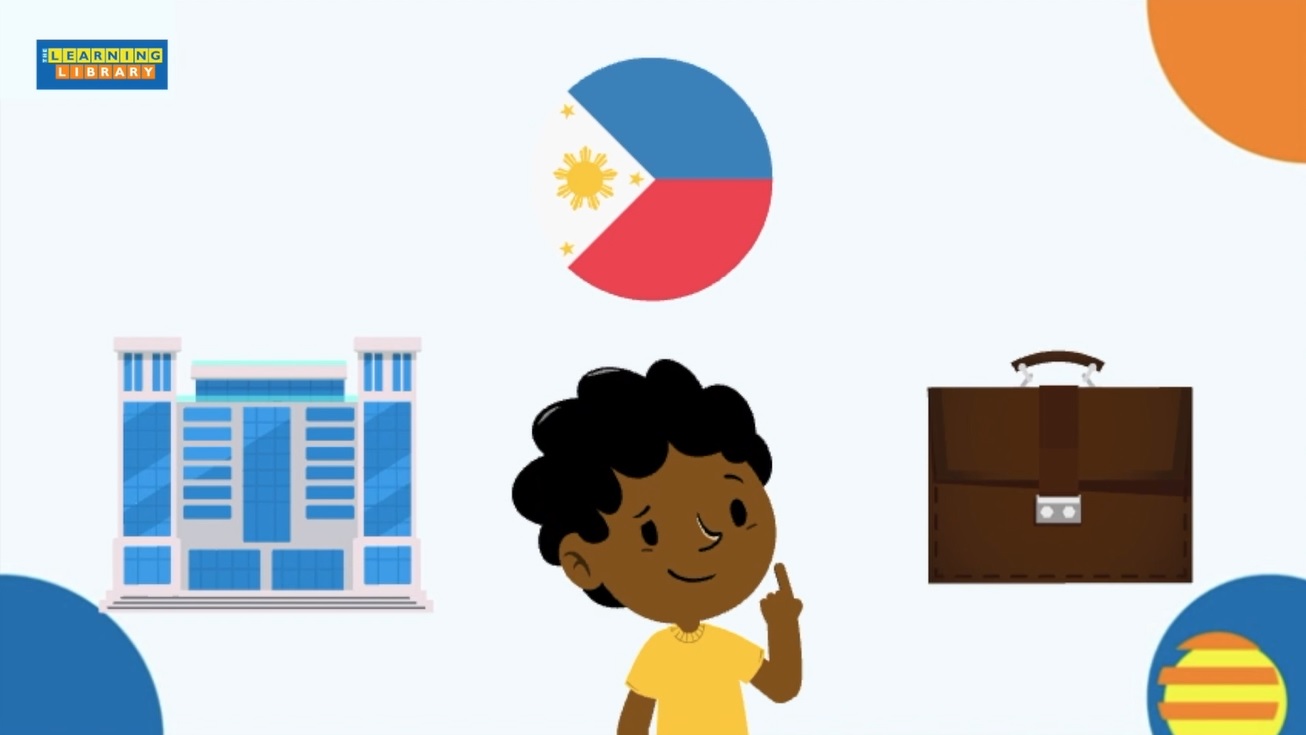
There are many reasons to learn Filipino: to enjoy the cognitive benefits of being bilingual, to be able to work in a number of professions (including law, medicine, and business), to communicate and have meaningful relationships with more people, and to be able to access and appreciate your own culture. Beyond explaining its importance, parents can demonstrate how they themselves have benefitted from being bilingual.
Parents can also model the positive attitude needed in learning a new language: converse with children regularly in Filipino, especially about their interests and hobbies, and make it fun. By showing them that you enjoy speaking in Filipino, children are taught to enjoy it as well. As Ms Bicomong says, “Sa gusto, may paraan.”
Your partners
The Learning Library believes that learning Filipino should be enjoyable for children, and is essential to developing a love of country. If you would like us to be your partners in this, contact us at inquiry@learninglibraries.com.